
Yamaha YDP-146 vs YDP-166: What Changed in ARIUS?
Yamaha YDP-146 vs YDP-166: compare the new actions, speakers, Bluetooth limits and US setup costs, plus what to check on older ARIUS stock.
Mia
Community & Content. Writer and lifelong pianist. Writes about gear, production, and the business side of making music.
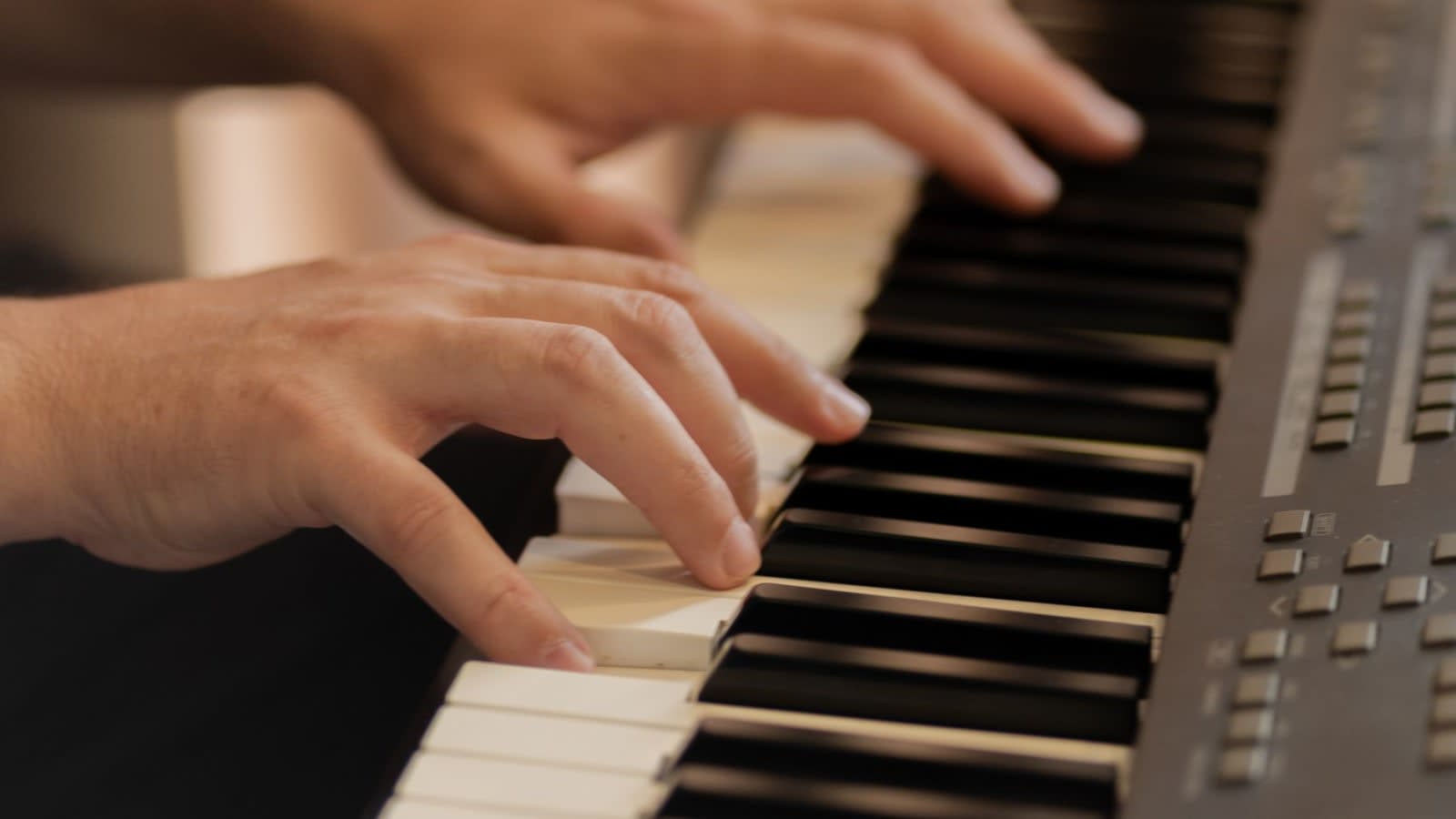
Yamaha’s new ARIUS range gives the YDP-146 and YDP-166 several of the same conveniences, including Bluetooth and a revised speaker design. The more expensive model’s main distinction is under your fingers: GrandTouch-E replaces the previous YDP-165’s GH3 action.
For a first home piano, the YDP-146 is the sensible starting point. It includes the cabinet and pedals, and shares the YDP-166’s main piano sound and app connection options. Audition the YDP-166 if keyboard response is a priority or you regularly play through the speakers. Allow room for a bench and arrange assembly before delivery.
The US price gap is $450 before extras
Yamaha’s US shop listed these reference prices on 19 September 2026. They are manufacturer-store prices, not Amazon quotes. The YDP-146 page was marked out of stock when checked; confirm the finish and delivery date with the seller before paying.
Affiliate notice: Some links are paid links. As an Amazon Associate, we earn from qualifying purchases.
YDP-146
$1,299.99Yamaha US reference price · before sales taxGHS weighted keys and two 8-watt amplifiers. The lower-cost cabinet model.
Search Amazon ↗ Yamaha price and package details ↗YDP-166
$1,749.99Yamaha US reference price · before sales taxGrandTouch-E keys and two 20-watt amplifiers. The action and speaker upgrade.
Search Amazon ↗ Yamaha price and package details ↗The Amazon buttons open model-specific searches. Check the full model number in the results, which can also include older ARIUS pianos and accessories.
For ordinary speaker practice, the package can be your whole equipment budget. The US descriptions include the cabinet, three-pedal assembly and bench; confirm that your seller also supplies the listed power adaptor. If either the seat or adaptor is missing from a particular bundle, add its quoted cost before comparing totals. You do not need a separate keyboard stand, sustain pedal, amplifier, tablet or paid software. The shop pages advertise free shipping; sales tax and any paid room placement or assembly are additional. Get a quote for those services if you need them. There is no required subscription to play the instrument.
Headphones, a USB cable for recording and an adjustable bench are separate purchases if your use requires them. Outside the US, confirm the box contents: Yamaha says bench and power-adaptor inclusion can vary by region. For a child or several players of different heights, check the supplied seat before assuming it will work; our adjustable piano bench comparison explains the alternatives.
Recognising the new models among older stock
Yamaha announced the refreshed ARIUS range on 11 June 2026. The model numbers below identify the corresponding positions in the range. The S models are the slimmer-cabinet alternatives.
The YDP-146 keeps the GHS name, but Yamaha reports changes to its sensing system for repeated notes and complex passages. The YDP-166 introduces GrandTouch-E, with synthetic ivory/ebony key surfaces and escapement. Both gain Bluetooth audio/MIDI, subject to regional availability, and diffuser grilles intended to spread the speaker sound more evenly. Yamaha’s description of the sensing improvement is a manufacturer claim; we have not measured it against the YDP-145.
Several familiar specifications remain. The previous YDP-145 and YDP-165 already had CFX piano sampling, VRM Lite resonance modelling, 192-note polyphony and ten voices. Their amplifier ratings were also 8 W per side and 20 W per side respectively. An advert listing those features alone does not tell you whether the piano is from the new generation.
A discounted YDP-145 or YDP-165 can still make sense. Compare its delivered price and warranty with the replacement, then try the actual instrument. For an existing owner whose piano is working well, Bluetooth convenience by itself is a fairly narrow reason to replace an entire cabinet piano.
What the extra money changes when you sit down
The YDP-166 is the one to try carefully if quiet note control and repeated passages are driving the purchase. Its escapement creates a tactile sensation near the bottom of a softly pressed key; that specification does not tell us whether you will prefer its resistance or return speed. Play both models at similar volume, including a passage you know well.
On the YDP-146, try a soft melody over an even accompaniment and repeat a note without fully lifting your finger. Listen for the range of dynamics you can produce comfortably. A weighted action does not have to be the most expensive in the shop to be useful for lessons, but a bargain is less attractive if you dislike playing it.
These are the physical differences in Yamaha’s current specifications. Heights below are with the music rest lowered.
| Detail | YDP-146 | YDP-166 |
|---|---|---|
| Key action | GHS | Grand |
| Speaker amplifiers | 8 W × 2 | 20 W × 2 |
| Speaker drivers | 12 cm × 2 | 12 cm × 2 |
| Cabinet height | 815 mm | 849 mm |
| Weight | 38 kg | 42 kg |
The stronger amplification makes the YDP-166 particularly relevant when playing aloud for other people. Try it at your normal home volume as well as a louder setting, and ask someone to listen a few metres away. Wattage is not a loudness score, and we have not performed a room or speaker measurement on either model.
For late-night playing, that amplifier difference is less relevant. Both provide two wired headphone sockets and Yamaha’s Stereophonic Optimizer. Bring your usual headphones to the comparison so a different pair does not sway your choice. Our digital-piano headphone guide covers comfort, sound leakage and connector fit.
Same floor footprint: 1,357 × 422 mm
About 53.4 × 16.6 inches, before the bench and sitting space.
The YDP-166 is taller and 4 kg heavier, but the YDP-146 does not save floor depth. With the music rests raised, their heights are 1,003 mm and 969 mm respectively.
Tape out the cabinet footprint, put a chair where the bench would go and check that somebody can still pass behind you. If space sends you toward the slim range, include the anti-fall brackets in your measurement: Yamaha lists 366 mm depth for the YDP-S36 and 382 mm for the YDP-S56 with those fitted. For either full-size model, the manual calls for at least two people to assemble it. A delivery to your door and a piano ready to play upstairs are different services.
Bluetooth has two jobs. Headphone listening is not one of them.
The new wireless functions are useful, but it is easy to buy the wrong accessory if “Bluetooth” is treated as a single connection. The owner’s manual, pages 30–33 (PDF), separates these paths:
- Bluetooth audio
- Phone or tablet → piano speakers.Play along with audio from your device. The piano cannot send its sound to Bluetooth headphones or speakers.
- Bluetooth MIDI
- Compatible app ↔ piano control and note data.Smart Pianist uses this connection. MIDI is not a recording of the piano’s sound.
- USB audio
- Piano ↔ compatible computer or mobile device.Use a cable to record the piano’s sound. Smart Pianist audio recording is not available over Bluetooth.
Both pianos have a USB-B host port and a stereo USB audio interface, so start there before purchasing a separate recording interface. Yamaha specifies a data cable shorter than three metres, not a USB 3.0 cable. For DAW recording, its manual says to turn Audio Loop Back off to avoid a potentially loud feedback path. Our piano-to-iPad connection guide helps identify the device-side adapter.
Smart Pianist is free and makes instrument settings easier to reach on a screen. Yamaha also provides scores for the 353 preset pieces and exercises. Its new Guide function can wait for the correct note during supported practice, alongside a Medal Challenge feature. You can leave the app disconnected and use the piano normally; it is an optional learning aid, not a required running cost.
Check your device against the app’s current requirements and the regional piano specification before ordering. Yamaha flags Bluetooth availability as area-dependent, and Smart Pianist features vary by connected instrument. An app demonstration on a different Yamaha series is not a promise of the same functions here.
Take this to the showroom
A short comparison is more useful when the conditions stay consistent. Bring a familiar piece and your headphones, then work through these three checks:
- Repeat the same quiet passage. Use the normal piano voice on both instruments. Try a few soft repeated notes and the black keys near the back of the keybed. Notice which response is easier to control without changing how you sit.
- Try the way you will actually listen. Spend time on headphones if that is your evening routine. For speaker use, repeat the passage at a comfortable living-room level rather than judging the louder showroom setting.
- Ask for one delivered, playable quote. It should name the model and finish, bench, power supply, tax, delivery location and assembly. Check who handles a faulty piano and whether a return includes collection.
Keep those quotes beside your listening notes. If the YDP-166 gives you noticeably better control in the passage you brought, you have a concrete reason for the extra $450. If it does not, the YDP-146 leaves that money available for lessons.
Photo: Wolf Art / Pexels.
Further reading
 Gear
GearConnect a Digital Piano to an iPad: Cables, MIDI and Sound
Connect your digital piano to an iPad with the right USB or MIDI cable. Identify the ports, handle power and check that your app receives the notes.
10 min read Setup
SetupBest Headphones for Digital Piano in 2026: 6 Picks by Room and Budget
The best headphones for digital piano depend on your room. Compare six wired picks from $36 to $240 by leakage, comfort, cable length, and plug fit.
16 min read Setup
SetupBest Piano Benches in 2026: Adjustable, Duet, and Budget Picks
Compare six piano benches from $55 to $357 by height range, adjustment type, seat width, storage, and fit for solo players, families, or duets.
16 min read