Four pieces can feel ready when you practise them separately, then become surprisingly awkward when the camera keeps running. The score you held up needs to go back on the stand, the second piece needs a different pace, and a small slip must not derail the rest of the programme. Prepare those moments before choosing the recording you will submit.
Start with a short camera test, then make a complete mock and use it to plan the next practice session. The examples below are ABRSM's own training films. They let you examine the practical business of presenting a programme without turning someone else's result into a target for your playing.
Make a short test before playing the whole programme
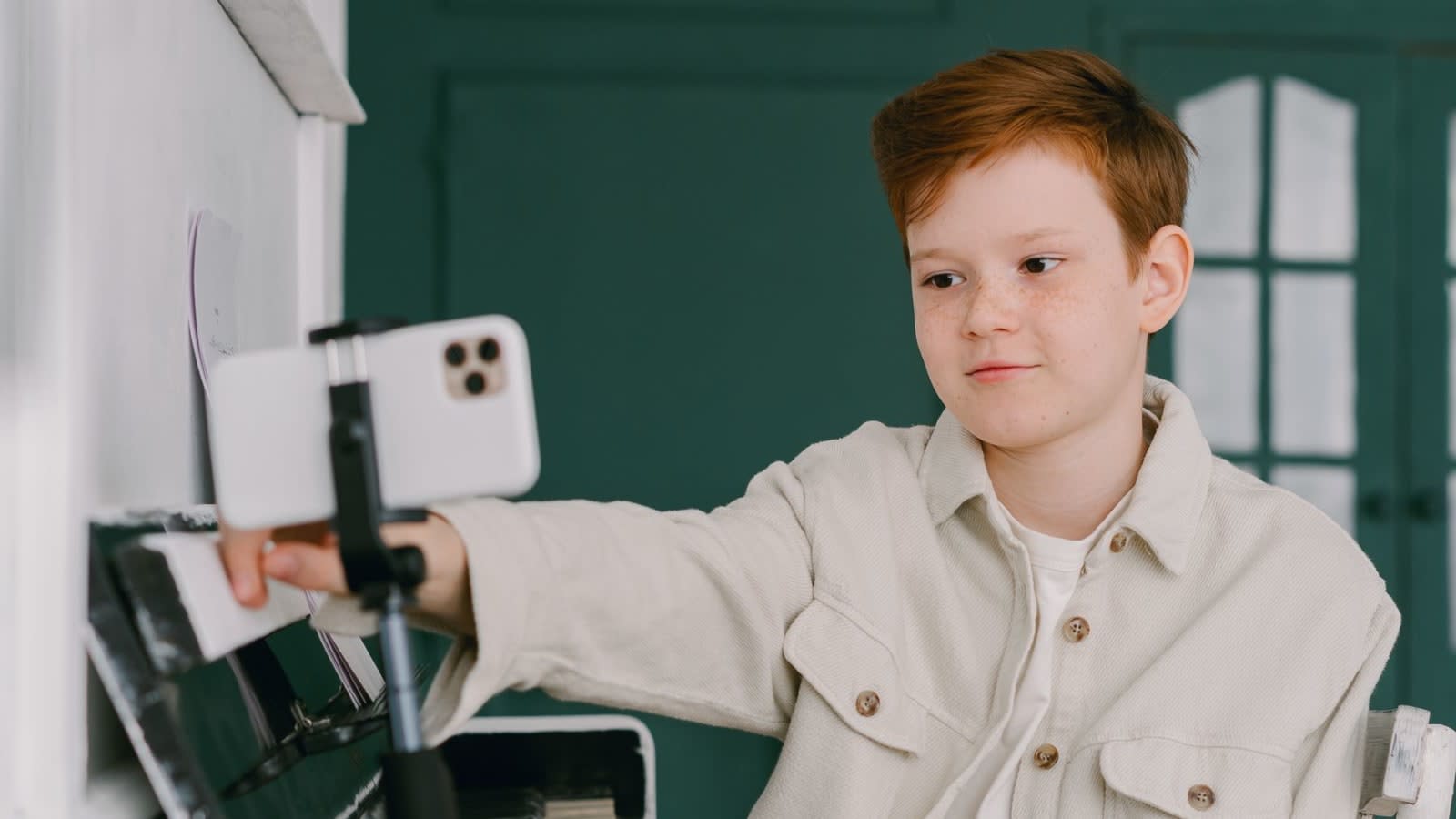
Use the instrument, room, music and recording device you intend to use for the exam. Put the camera on a stable support where nobody needs to hold it. Check the picture with the candidate seated or standing in their actual playing position; a frame that works while they talk to the camera may cut off their face once they turn towards the music.
ABRSM requires a static view of the candidate's face, instrument and stand. Include accompanists where possible. Show the whole keyboard and, where possible, pedals. Prioritise the candidate if everyone cannot fit. These details follow the US recording guidance, checked 8 November 2026.
Record a brief sample containing a quiet passage and a loud one from the programme. Play it back away from the instrument. Listen for a distorted loud attack, a quiet melody disappearing beneath accompaniment, or a background sound that you stopped noticing while playing. Change one thing, such as the camera's distance, and make the same test again. Comparing the same passages makes the change easier to judge.
Also test the movements that change the picture: reaching for a page, standing to show the music, and sitting down again. Keep the camera support clear of feet, pedals and the route between the introduction position and the instrument. If the support itself is the problem, our guide to piano camera mounts explains the practical differences between a floor tripod and an arm.
Look at two real recording setups
Open ABRSM's Grade 1 piano training film and Grade 4 piano training film. Both are available on its public teaching pages; examiner feedback requires an account. ABRSM dates these films to 2021, before the online repertoire form, so use them to study presentation rather than copying their administrative routine or repertoire.
The Grade 1 film uses a portrait view beside an upright piano. The same camera position shows the standing introduction and the seated player, with the score and hands visible. In the Grade 4 film, the landscape view includes more of the room and the player's feet; at about 1:35, you can see the player arranging the music while seated.
Neither orientation solves every framing problem by itself. In your own test, trace both ends of the keyboard on the screen and check the face in playing position. A wide picture can still hide keys behind the piano's side; a tall picture can still lose part of the instrument. Choose the angle by what it reveals, then check it against the current requirements.
Rehearse everything before the first note
The Performance Grades specification requires a continuous take of the repertoire, preceded by the introduction and the opening of the own-choice music shown to camera. An under-18 candidate needs a responsible adult overseeing the recording. Arrange that person's role before the mock, including any page turning or accompaniment.
Announce your name, subject, grade and programme in order, including titles, composers and relevant list numbers. Show the own-choice opening clearly, including its title and musical indications.
For Grades 6 to 8, rehearse the ID procedure too: the document must be clear close to the camera for at least ten seconds, followed by the candidate's face for ten seconds. Check acceptable documents in the Candidate Identification Policy. Keep any ID-bearing rehearsal private; a public teaching demonstration does not need your personal documents.
The opening of the Grade 1 training film makes the physical sequence easy to see. Use the following moments as prompts for your own rehearsal, rather than trying to match its timings.
| Film position | Visible action | Try this in your mock |
|---|---|---|
| 0:55 | The own-choice score is held close to the camera. | Check that the opening is readable on playback, not just recognisable as a page. |
| 1:05 to 1:15 | The music returns to the stand; the player sits down. | Put the correct first page in place and settle before starting. |
| 1:45 and 2:45 | The player reaches to change pages between pieces. | Include your actual page changes when practising the joins. |
| 4:00 | Both hands arrange the next sheet on the stand. | Check that loose pages stay in order and can be handled comfortably. |
| 4:40 | The player turns back towards the camera after playing. | Let the musical ending finish before moving to stop the recording. |
Only missing introductory information may be added by a small edit. The performance cannot be edited. Rehearse the introduction too.
Give the next piece its own beginning
A complete run tests something that isolated practice can conceal: whether you can arrive at the next piece ready to play it. The last chord of a bright dance, a page change and the opening of a quiet song belong to one sequence of actions, even though the music needs a different character.
Try a short rehearsal that starts with the final phrase of one piece and ends after the first phrase of the next. Release the ending, change the page, find the next hand position and hear the new opening internally before you play. If you use an accompanist, include the shared cue. You can repeat this small section without performing the entire programme each time.
Then change the starting point. Begin earlier in the preceding piece so the transition arrives after more playing, rather than after a convenient fresh start. This checks whether your new routine survives in context. A successful join means you found the next opening securely and gave it the intended character; it does not mean you reduced the silence to a particular number of seconds.
For a full mock, start the camera before the introductory routine and continue through the final ending. Keep it running during page changes and other necessary breaks. Agree in advance that the responsible adult will not coach from the side. If a mistake happens, continue the mock where you can, then discuss it afterwards. If a practical problem makes completion impossible, record what happened before resetting everything for another attempt.
ABRSM assesses the programme as a whole as well as the individual pieces. Its published criteria include the sequence and pacing of the programme, sustained musical character, ensemble and instrument management. That gives the work between the pieces a musical purpose beyond keeping a camera running.
Turn the mock into a useful next practice session
Watch the recording once from beginning to end before making a list of every wrong note. Ask whether each piece establishes its character, whether the programme keeps your attention, and whether a setback affects what follows. Then return to the moments that need closer attention with the score beside you.
Give each note an observable event and a next action. “Second piece needs work” gives you little to start with tomorrow. “After changing the page, the opening began faster than intended” suggests a specific experiment: rehearse the previous ending, the page change and the next opening together.
An illustrative diary entry
Mock 1: Piece two began too quickly after the page change. Its opening felt steadier when played on its own.
Next practice: Put the pages in performance order. Play the last phrase of piece one, change the page, establish the next tempo silently, then play the opening phrase of piece two.
Next full run: Compare that same join, then keep listening through piece two. Check whether the improvement survives beyond its opening.
This example is a practice plan, not an examiner's report. A teacher can help decide whether the problem is the join, the chosen tempo, an insecure passage or something else. Change the practice task when the evidence points elsewhere; more complete takes will not automatically fix a local difficulty.
Keep the full-run observation and the passage task together. In our Practis practice diary, a manual practice entry can carry a piece-specific note, so the instruction is available when you return to that piece. A notebook works too. For several recorded attempts, give each take a clear date and purpose; our post on organising practice recordings shows how to keep those references usable.
Check the file you will actually submit
Do the last viewing from the saved file you intend to upload. A good take in the camera app does not tell you that you selected the right copy afterwards. Confirm the opening, every piece and the final ending; if you compressed the file, review that version from start to finish.
The current ABRSM file requirements are:
| Setting | Requirement |
|---|---|
| Recording resolution | 720p |
| Accepted file types | MP4, MOV or MPG |
| Maximum size | 2GB |
| Filename | Letters, numbers, underscores and dashes only; no blank filename |
Complete the programme form and declaration online. For under-18s, the adult who oversaw the recording makes the declaration. Check the file carefully: only one recording upload is allowed. The booking window is 28 days; use the exact deadline in your booking and leave time for transfer problems.
Keep the exam recording between ABRSM and those directly involved during preparation and submission. Public posting and file-sharing uploads are prohibited. Practis is a practice diary, not the submission portal.
Once the file is ready, put the agreed filename beside the programme order and have the person submitting it check both. The useful final question is whether this exact recording contains the complete performance you chose.
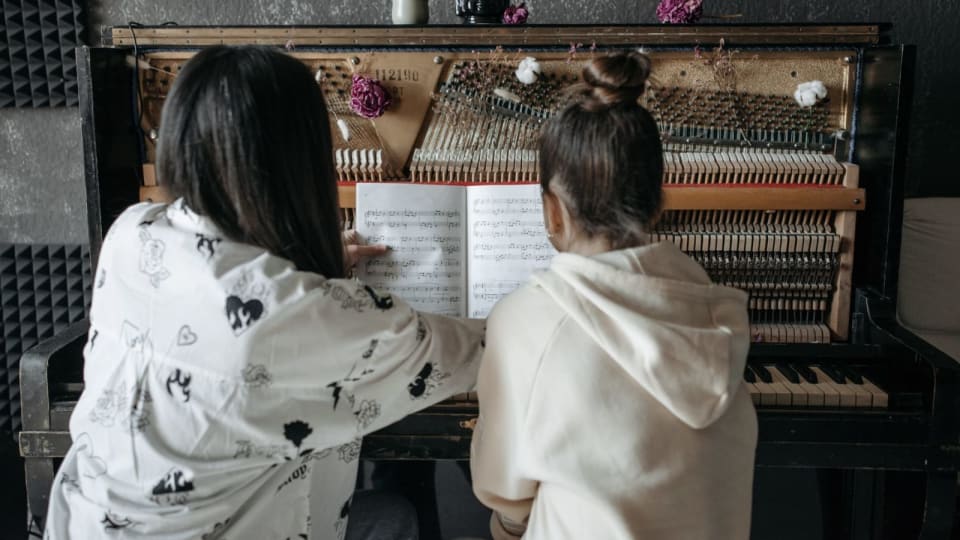
Featured photograph: Mikhail Nilov / Pexels. Stock photograph; the pictured pianist is not a participant in the ABRSM films discussed above.