The best musicians' earplugs to start with are the Alpine MusicSafe Pro, if their universal shells seal reliably in both ears. Their three interchangeable filters let a musician compare attenuation levels with one affordable kit instead of making a permanent choice from a product chart.
HEAROS is the $12 budget entry, Etymotic has the clearest fixed-filter documentation, EarPeace steps up to a 20 dB SNR configuration, Loop offers the broadest tip kit, and 1of1 Custom is the fitted endpoint, but no plug makes an unlimited rehearsal safe. We did not laboratory-test these products; our verdict uses current labels, manuals, manufacturer specifications, fit options, and US official-site prices checked on August 27, 2026.
Affiliate notice: Some links are paid links. As an Amazon Associate, we earn from qualifying purchases.
-
Best starting kitAlpine MusicSafe Pro$29.95 snapshot · three filters · maker-stated 16, 19, or 22 dB attenuation
-
Best under $15HEAROS High Fidelity 211$12.22 sale snapshot · NRR 12 · standard-size triple flange · case
-
Best documented fixed filterEtymotic ER20XS Standard$24.99 snapshot · NRR 13 · SNR 17 · triple flange · cord and case
-
Best higher-attenuation universal kitEarPeace Music PRO High$42.95 snapshot · High configuration, SNR 20 · two shell sizes · spare plug
-
Best tip and accessory kitLoop Experience 2 Plus$44.95 snapshot · SNR 17 · Mute insert adds 3 dB · silicone and foam tips
-
Best custom-fit route1of1 Custom PRO17From $199 before possible impression fees · custom silicone · nominal 17 dB filter
Prices are US official-site snapshots checked August 27, 2026 and can change. The HEAROS figure was a sale price. Amazon prices and availability are deliberately not stated. Product links point to the exact configuration described where a verified listing exists; the custom PRO17 has no defensible Amazon equivalent.
Match protection to exposure, not to genre
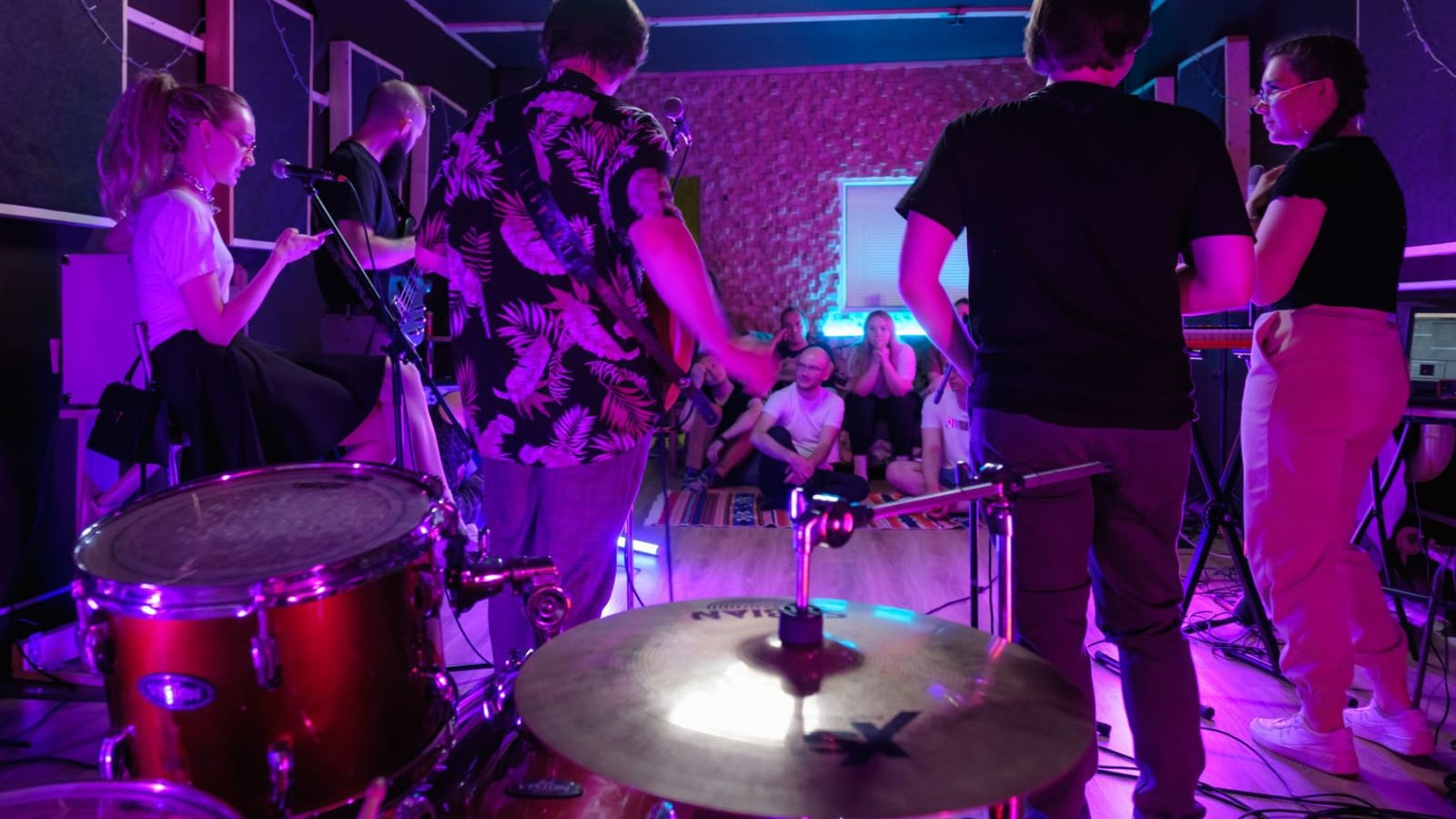
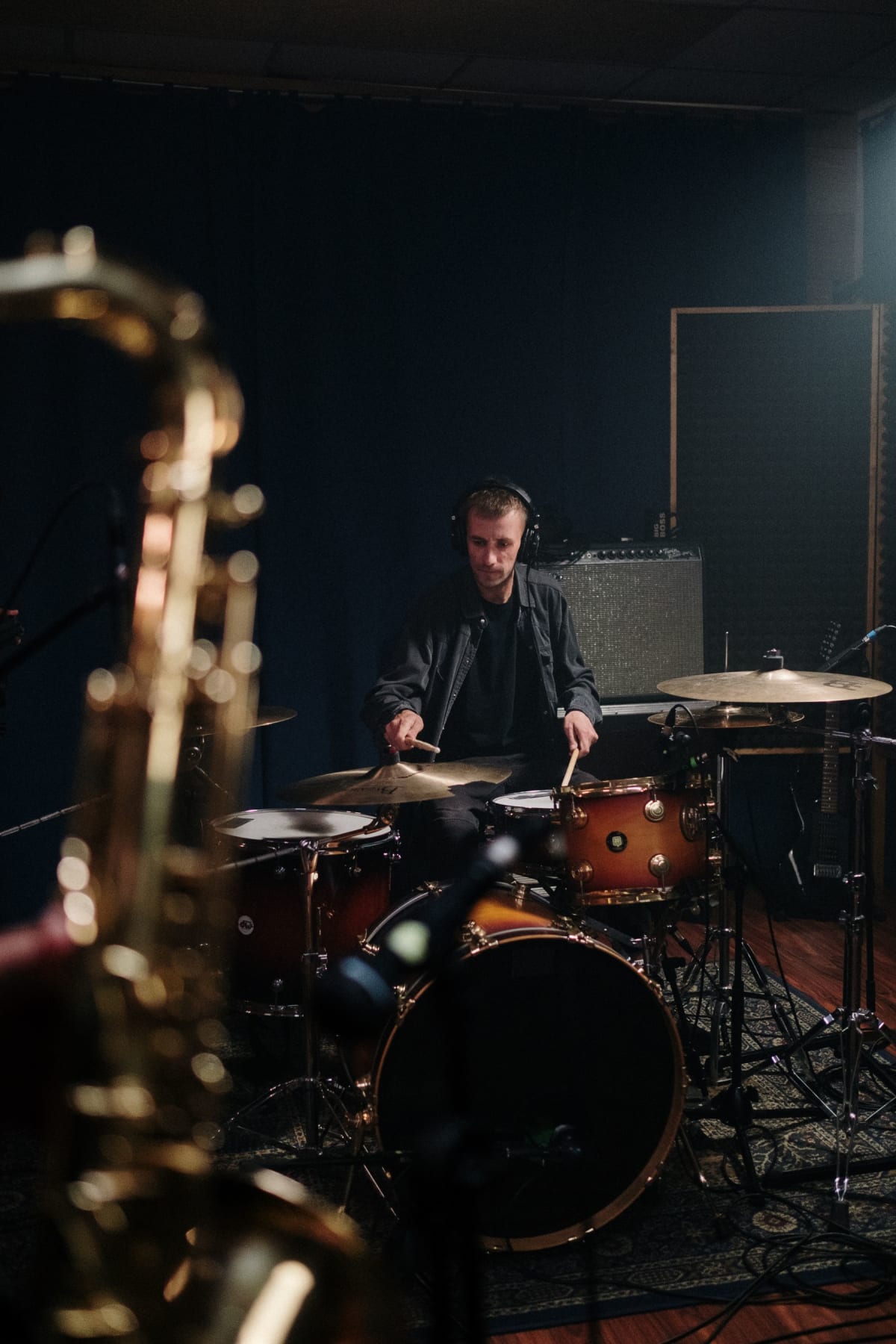
A string quartet can rehearse beside a hard wall, a drummer can sit inches from cymbals, and a pit musician can have the brass section directly behind them. The label on the gig does not reveal the dose at the ear. Level, duration, repetition, distance, room reflections, and position within the ensemble all change the risk.
The NIOSH occupational noise reference starts at 85 dBA averaged over eight hours and halves the recommended duration for each 3 dB increase. It is a workplace risk framework, not a promise that a recreational exposure below one row is harmless. Individual susceptibility differs, and the reference assumes quieter time away from work.
Durations are the unprotected NIOSH daily occupational reference, not a personal safe-time guarantee. Other sound during the day adds to the dose.
A phone reading is useful for identifying patterns, but it is not the same as a calibrated personal dosimeter at the ear. The NIOSH Sound Level Meter app is tested for supported iOS devices; it can help compare the same rehearsal positions and passages. Record average level and duration, not only the loudest instant. A ten-minute peak and a three-hour rehearsal call need different responses.
Choose an attenuation range only after estimating the exposure. The goal is enough dependable reduction while retaining the cues needed to perform. Too little leaves the dose high. Too much can bury speech, intonation, entrances, and room warnings, which tempts a player to loosen or remove the plug. A plug worn correctly for the entire loud session beats a theoretically stronger one that keeps coming out.
The seal is the first specification
A filtered plug works only through a consistent acoustic seal. Ear canals differ between people and can even differ left to right. A flange that seals one ear can sit shallow in the other; a tip can feel comfortable at home and work loose when the jaw moves, the player sweats, or an instrument changes facial tension.
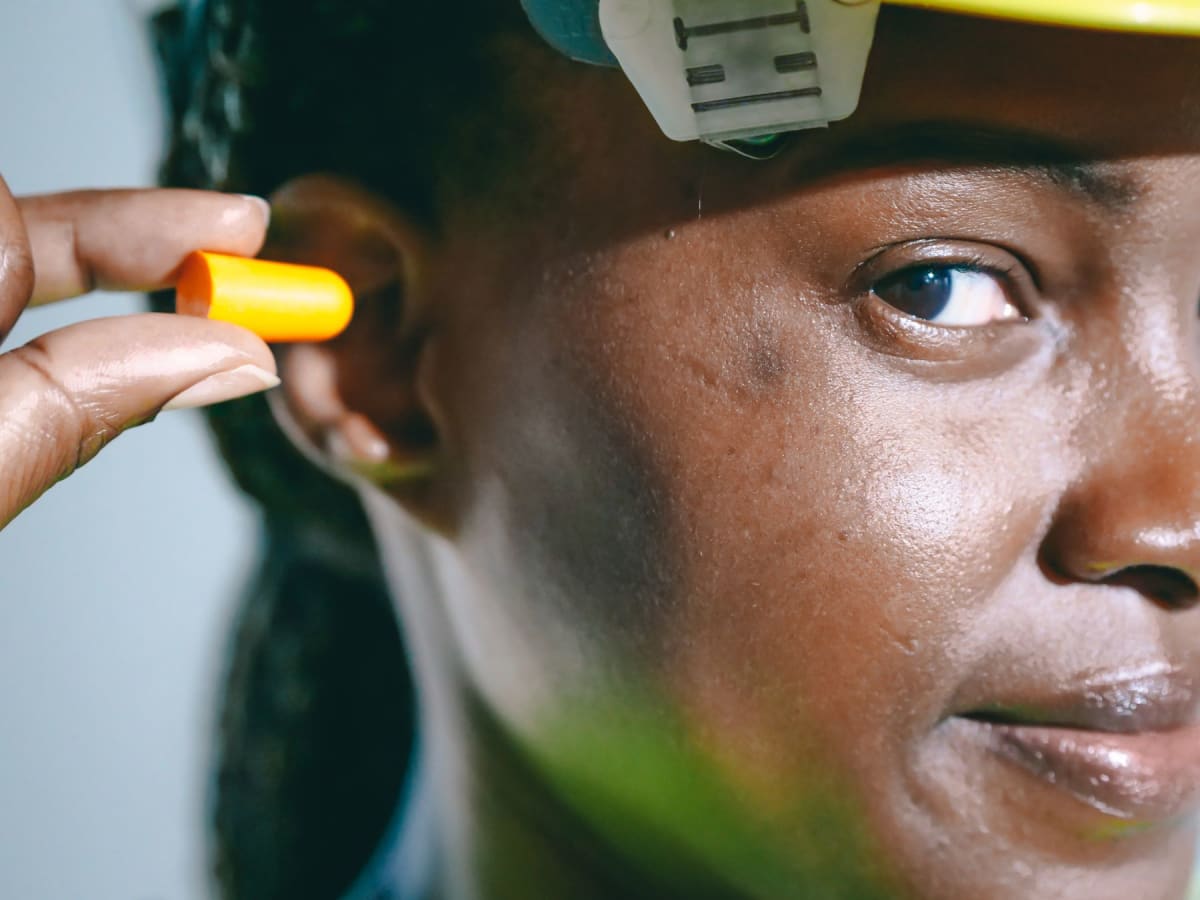
For a preformed plug, follow that model's insertion instructions, test every supplied size, and give the material a few minutes to settle. NIOSH suggests a quick check: count aloud while slowly cupping and uncupping the ears. With a good seal, the voice should change very little. This is a useful screen, not a measured result. A professional fit test produces a Personal Attenuation Rating, or PAR, for the individual wearing that exact protector.
“A filter chart describes a product in a laboratory. The seal decides what reaches this musician in this room.”
Occlusion is the other fit problem. Sealing the ear canal can make a singer's voice, a wind player's breath, or bone-conducted instrument sound feel louder and more internal. Deeper, stable insertion often changes that sensation, but anatomy and product shape matter. Test the actual task. Comfort while reading at a desk does not predict comfort while singing, turning the head, or playing a two-hour set.
Clean reusable shells as directed, keep moisture away from filters that should not be submerged, and replace tips that lose elasticity or no longer seal. The carrying case is part of the protection system: plugs left at home protect nothing. Put the case with the instrument, cable pouch, or keys, and keep a sealed pair of correctly rated foam plugs as a fallback.
NRR, SNR, and maker figures are different languages
Product pages make neat numerical comparisons look easier than they are. NRR is a US laboratory rating shown on regulated packaging. SNR is a European single-number method. A maker may also publish nominal, expected, peak, or filter-specific attenuation. Those values do not share one test method, so sorting 12, 17, 20, and 22 into a universal protection ranking is false precision.
Do not subtract an NRR or SNR directly from a venue meter reading and call the remainder personal exposure. NIOSH notes that the label often fails to reflect the protection an individual receives. Its 2025 policy update replaced its older generic NRR-derating guidance with a recommendation for individual quantitative fit testing. When the stakes are repeated professional exposure, an audiologist or occupational hearing specialist can help select, fit, and verify protection rather than guessing from packaging.
“High fidelity” is a design aim, not an exemption from physics. Filtered musician plugs try to reduce frequencies more evenly than ordinary plugs, preserving relative balance better. Fit, venting, filter design, ear anatomy, and source position still alter what a player hears. Every candidate needs a musical soundcheck, not just a comfort check.
Six picks, chosen as six protection systems
Alpine MusicSafe Pro: best starting kit
Alpine earns the default recommendation through flexibility, not a claim of universally stronger protection. The $29.95 kit includes three pairs of interchangeable filters with maker-stated attenuation of 16, 19, and 22 dB, three reusable shells, a cord, case, and cleaning spray. That lets a player begin at a normal rehearsal, compare filter levels under the same musical conditions, and keep the stronger option ready for a louder room.
The tradeoff is one universal shell size, specified for roughly 9 to 12 mm. If that shell does not hold an even seal in both ears, three filters cannot rescue it. This is the best first kit for a player whose rooms genuinely vary and whose ears accept the shell, not the automatic winner for every canal.
HEAROS High Fidelity 211: best under $15
HEAROS is the low-cost way to find out whether a triple-flange filtered plug belongs in the practice case. Model 211 carries an NRR 12 label, includes a small storage case, and was $12.22 on the official site when checked. Its single fixed configuration makes the decision simple, and the transparent stem is discreet on stage.
The limitation is equally clear: there is no filter choice in the box and less fit flexibility than the Loop or EarPeace kits. The maker separately advertises reduction “as much as 20 decibels,” but our comparison uses the NRR 12 label instead of blending those claims. Treat HEAROS as an inexpensive, portable candidate to fit-check, not as a promise that a $12 plug covers every rehearsal.
Etymotic ER20XS Standard: best documented fixed filter
Etymotic publishes unusually useful labeling for the ER20XS: NRR 13 and SNR 17, alongside frequency-band data in its current packaged instructions. The $24.99 Standard model uses a low-profile triple flange and includes a removable neck cord and case. It is a strong choice for a musician who wants one repeatable setting and documentation that is easier to audit than a single marketing number.
Standard refers to the fit, not a universal guarantee. Etymotic also sells other sizes and versions, so match the Amazon box to the Standard/Frost configuration reviewed here. The company says the plug aims for roughly even 20 dB reduction, but that statement is separate from its certified NRR and SNR. Do not substitute it for a personal result.
EarPeace Music PRO High: best higher-attenuation universal kit
The reviewed EarPeace configuration is specifically High, SNR 20. It was $42.95 and includes small and standard Contour shells, one set of 20 dB SNR filters, a third spare shell and filter, and an aluminum case. Two shell sizes improve the chance of finding a stable fit, while the spare is practical when a tiny component disappears backstage.
EarPeace also sells Medium 16 dB and Max 24 dB versions, but they are different purchases rather than three filters in this box. That makes the High kit a considered choice for a measured louder environment, not a general recommendation based on the largest visible number. Confirm the Amazon listing says High 20 dB before ordering.
Loop Experience 2 Plus: best tip and accessory kit
Loop takes a different route to fit. Experience 2 Plus includes silicone tips in XS through L, foam tips in S through L, two removable Mute sets, and a keychain case. The base plug is rated SNR 17; Loop says inserting Mute adds 3 dB. At $44.95, it is the best candidate here for someone who wants to compare tip materials and sizes without buying another pack first.
The ring shape is easy to handle, but it can make the product feel more like an accessory than protective equipment. Keep the same discipline: seat both sides fully, check the seal, and audition speech and musical cues. The Amazon configuration reviewed is Experience 2 Plus in black; verify the box includes the foam tips and Mute inserts before the return window closes.
1of1 Custom PRO17: best custom-fit route
PRO17 begins at $199 and is made from ear impressions. Its removable PRO17 filter is nominally 17 dB and designed for a relatively flat musical response. Custom silicone is the logical next route when universal shells repeatedly leak, hurt, migrate, or create different results between ears. The manufacturer quotes roughly ten business days of production after receiving acceptable impressions.
The $199 starting price may not include the impressions. An outside audiologist may charge separately, and custom products have different return limits from ordinary retail earplugs. Book the impressions, fit verification, and refit terms as part of one purchase decision. We found no defensible direct Amazon equivalent, so the buying strip links only to the maker.
“The upgrade from universal to custom is justified by repeatable fit, not by the prestige of a molded shell.”
Run a five-minute rehearsal soundcheck
Insert the first configuration before the room becomes loud, then use the same short passage and band settings for every comparison. Stop the source or move to a quiet area before every filter or tip swap, and resume only after both plugs are sealed again. A familiar passage turns vague impressions into comparable evidence, much like the controlled listening work in our guide to listening more critically in practice.
- Check the seal before playing. Compare left and right, move the jaw, turn the head, and repeat the cupping check without loosening either plug.
- Play one soft and one loud passage. Listen for intonation, attack, blend, bass definition, cymbal balance, speech, and the conductor or count-in.
- Change one variable in quiet. Stop the source or leave the loud area, swap a filter or tip size, reseat both ears, then resume exactly the same material at the same settings.
- Test the ensemble cue. Confirm that entrances and balance decisions still work when playing alone and when the full group joins. Our guide to bringing ensemble awareness into solo practice offers useful cue categories.
- Log the result. Note room, position, duration, plug, filter, tip, comfort, and any moment the seal moved. Memory after a loud session is a poor comparison tool.
Do not conduct the comparison by removing one plug while the room stays loud. That leaves one ear unprotected and destroys the controlled test. If every filtered option makes the room too difficult to perform in, the answer is not to wear one halfway. Lower the source, change position, improve monitoring, choose another verified protector, or shorten the exposure.
Know when a universal filtered plug is not enough
A reusable filtered plug is one layer in an exposure plan. Move amplifiers and monitors away from ears, reduce stage and rehearsal level at the source, step farther from speakers, use acoustic treatment where possible, and schedule quiet recovery periods. The World Health Organization's safe-listening guidance recommends correctly fitted protection, distance from loud sources, and ten quiet minutes each hour in noisy settings.
For repeated professional exposure, inconsistent seals, previous hearing changes, or unusually loud and impulsive sources, involve an audiologist or hearing-conservation specialist. Ask about custom impressions, filter selection, individual fit testing, baseline hearing assessment, and a higher-attenuation backup. NIOSH workplace guidance discusses double protection for exposures at or above 100 dBA or impulse sound, but that is not a cue to self-certify a loud rehearsal as safe. Exposure measurement and professional selection come first.
Earplugs also do not replace sensible monitoring. Ordinary headphones, active noise-canceling earbuds, and in-ear monitors are not hearing protectors unless specifically labeled and used as such. A monitoring system can reduce the urge for loud stage volume when engineered well, but it can also deliver excessive level directly to the ear. Our headphone guide covers listening designs; it does not turn consumer headphones into protective equipment.
Ringing, muffled hearing, sound sensitivity, or difficulty understanding speech after a session means the exposure plan needs attention. Persistent or recurring symptoms warrant assessment from an audiologist or clinician. Sudden hearing loss, especially in one ear, is urgent medical care rather than a product-selection problem. Protecting time away from the instrument matters too; our post on why musicians resist breaks explains how to make recovery part of the working routine.
Document one already-planned normal session before choosing. Measure from a safer position while wearing suitable protection, or use an existing venue or ensemble reading; never create an unprotected exposure to collect data. If the room varies and the Alpine shell seals, its three-filter kit is the most useful first experiment. If a fixed label and published data matter more, start with Etymotic; if universal plugs keep failing the seal test, put the $199 custom route ahead of another near-duplicate purchase. Insert the chosen pair before soundcheck, keep the backup in the instrument case, and make a quieter room part of the solution.