How you sit, how you stand, how much tension you carry in your shoulders – these seemingly "basic" things have a massive impact on both the quality of your playing and whether you'll still be able to play pain-free years from now.
Yet posture and relaxation are often the most overlooked aspects of musical training. We obsess over finger exercises and breath control while completely ignoring the foundation that makes everything else possible.
Why Your Posture is Make-or-Break for Your Playing
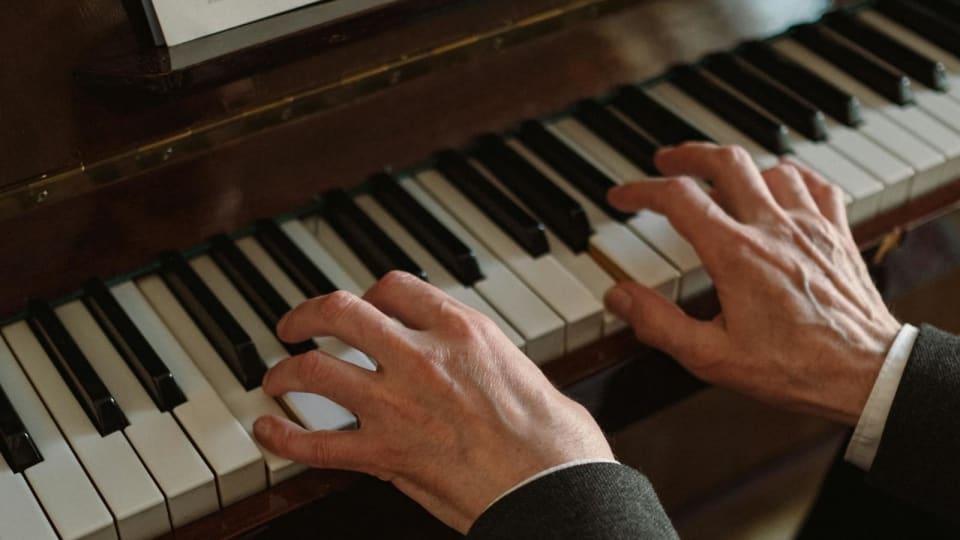
Think about it: most instruments were designed with specific body alignment in mind. A piano expects you to sit with arms roughly level with the keys. A violin needs to align with your shoulder and collarbone. A flute requires an upright stance for optimal breath support.
When your posture is right, everything else becomes easier. Your arms move fluidly, your breathing flows naturally, and you're not fighting against your own body to make music.
But when posture goes wrong? That's when things get painful – literally. Poor alignment places excess force on muscles and joints, leading to fatigue, discomfort, and eventually injury.
The sound quality connection: Here's something many musicians don't realize – posture directly affects your tone. A hunched cellist can't draw the bow with full weight. A slouching singer restricts their air support. A pianist with raised shoulders creates unnecessary tension that shows up in their touch.
Good posture isn't just about avoiding pain; it's about unlocking your instrument's full potential.
The Posture Fundamentals Every Musician Needs
The Universal Principles
Spine alignment: Imagine a straight line running from your head through your hips (sitting) or feet (standing). Your spine should be elongated but natural – not military-rigid, just gently upright.
Shoulder awareness: Keep shoulders low and back, not creeping up toward your ears. Raised shoulders are tension red flags and will sabotage your technique.
Weight distribution:
- Sitting: Use the front half of your chair with feet flat on the floor for stability
- Standing: Distribute weight evenly, maybe one foot slightly forward, but avoid leaning on one hip
Music stand height: Position it so you can keep your head up and shoulders relaxed. Craning your neck down to read music is a fast track to neck strain.
Instrument-Specific Setup Tips
Different instruments have different postural needs, but the principle remains the same: bring the instrument to you, not you to the instrument.
String players: Proper chin rest and shoulder rest setup prevents neck contortion Guitarists: Use a footstool or strap to bring the guitar to the right height Pianists: Bench height and distance are critical – you shouldn't slump or over-stretch Wind players: Maintain upright posture for optimal breath support
If you're unsure about your setup, ask an experienced teacher to evaluate it. Small adjustments can make huge differences in comfort and playing quality.
Tension: The Silent Technique Killer
Ever notice your neck tightening during a difficult passage? Or your hands gripping harder than necessary? Excess tension is technique poison.
Tension reduces control, slows you down, and can actually alter your tone quality. A tense bow grip produces scratchy sound. A tight embouchure strains the tone. Clenched shoulders restrict arm movement.
Watch great performers and you'll notice something striking: they look almost effortless. That's because they've mastered the art of using only the muscles they need while keeping everything else relaxed.
5 Practical Strategies for Staying Relaxed
1. Start with a Physical Warm-Up
Before touching your instrument, spend 2-3 minutes moving your body:
- Swing your arms and roll your shoulders
- Stretch your neck gently side to side
- For hand-intensive instruments: Shake out your hands, wiggle fingers, do gentle wrist stretches
- Get blood flowing: Some musicians even do jumping jacks or jog in place briefly
This prevents that stiff, cold start where injuries are most likely to happen. Even a few minutes of movement can dramatically reduce your injury risk.
2. Build in Regular Breaks
One of the biggest tension-busters is simply pausing. When you practice for long periods without rest, muscles get overused and start tightening up.
The break formula: Take at least 5-10 minutes off every hour of practice. During breaks:
- Stand up (if you've been sitting)
- Shake out your limbs
- Stretch any areas that feel tight
- Reset your posture when you return
Apps like pract.is can help you track practice time and remind you when it's time for a break, making it easier to build healthy practice habits.
3. Do Regular "Tension Scans"
Develop the habit of checking in with your body every few minutes while practicing. Ask yourself:
- "How are my shoulders right now?"
- "Is my jaw clenched?"
- "Am I holding my breath?"
Often, just noticing tension is enough to release it. Consider marking challenging passages in your music with reminders like "BREATHE" or "stay loose" – coach your future self to stay calm.
4. Set Up Your Environment for Success
Your practice setup should support good posture, not fight against it:
- Proper bench/chair height
- Music stand at eye level
- Adequate lighting to avoid squinting
- Instrument positioned ergonomically
Small adjustments in your setup can prevent hours of accumulated tension and strain.
5. Listen to Pain Signals
This is crucial: "no pain, no gain" does NOT apply to musical practice. Pain is your body's warning system – ignore it at your peril.
If you feel pain in a specific area (wrist, forearm, back, neck), stop and rest. If it recurs, consult a teacher or medical professional. Many playing injuries start as minor discomfort that gets ignored until it becomes a serious problem.
The Long-Term Game: Injury Prevention
Most musical injuries aren't dramatic accidents – they're cumulative problems that develop over years of slight misuse. By addressing posture and tension now, you're investing in decades of pain-free playing.
Common preventable problems include:
- Carpal tunnel syndrome (often from poor wrist position)
- Tendonitis (from overuse and tension)
- Back and neck problems (from poor posture)
- Breathing restrictions (from collapsed posture)
Musicians are essentially athletes in terms of repetitive motion demands. Just like athletes, we need to:
- Warm up before intense activity
- Pace ourselves during practice
- Take recovery time seriously
- Maintain overall physical fitness
The Hospital for Special Surgery recommends that musicians alternate difficult repertoire with easier pieces during practice and take at least one day off per week from intense practice to allow muscle recovery.
The Mental Component
Here's something many musicians miss: your mental state directly affects your physical tension. Anxiety and stress show up as physical tightness.
Simple mental relaxation techniques:
- Deep breathing exercises before practice (3-5 slow, deep breaths)
- Brief meditation or centering to clear your mind
- Positive self-talk during challenging passages
- Visualization of relaxed, effortless playing
A calm mind creates a relaxed body, which enables fluid technique.
Making Posture and Relaxation Second Nature
The goal is to make good posture and relaxation awareness automatic. Here's how:
Start small: Focus on one aspect at a time (maybe just shoulder awareness this week)
Use reminders: Set phone alerts or practice app notifications to check your posture
Track patterns: Notice which pieces or practice activities create the most tension
Build it into routine: Make posture checks and relaxation part of every practice session
Get feedback: Have someone observe your posture or record yourself playing
Your Body is Your First Instrument
Remember: your body is what makes all music possible. Taking care of your posture and staying relaxed isn't just about avoiding injury (though that's important) – it's about unlocking your full musical potential.
When you're properly aligned and relaxed:
- Your technique flows more freely
- Your tone quality improves
- You can play faster and more accurately
- You can practice longer without fatigue
- You enjoy playing more
Most importantly, you're setting yourself up for a lifetime of music-making. The habits you build now will determine whether you're still playing joyfully in 20, 30, or 40 years.
Your Action Plan
Starting with your very next practice session:
- Do a 2-minute physical warm-up before touching your instrument
- Check and adjust your posture at the beginning of practice
- Set a timer to remind yourself to take breaks every hour
- Do tension scans every 10-15 minutes while practicing
- End each session with some gentle stretching
Your future self – the one still making beautiful music without pain – will thank you for building these habits now.
Remember: play with ease, and your music will flow with ease too.