
How Many Hours Do Professional Pianists Actually Practice Each Day?
Documented routines from major concert pianists show a much wider and more practical range than the usual myth of endless all-day practice.
Pract.is Editorial
Research-based practice guidance for musicians from the Pract.is editorial team.
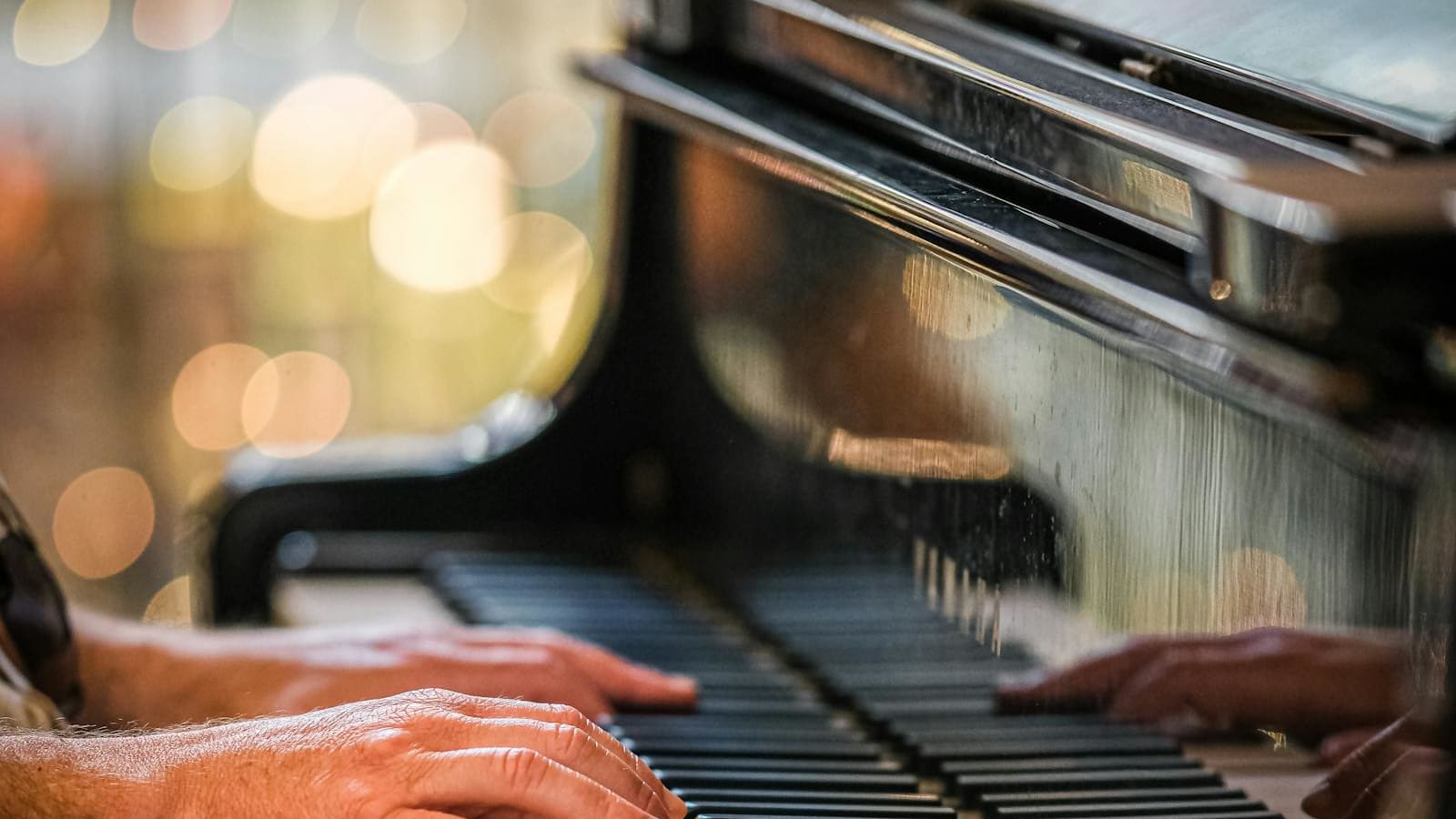
Professional pianists usually practice fewer raw keyboard hours than amateurs imagine, and more total work than amateurs count. The fantasy version is simple: elite players sit at the piano all day, every day, grinding eight or ten hours until genius appears. The documented version is messier, more varied, and much more useful.
Some major pianists really have reported five to seven hours a day in heavy preparation stretches. Others talk about two hours on a normal day, a lighter morning on concert days, or stopping well before the body and brain go dull. The important difference is that professionals do not treat all minutes as equal.
The short answer is a range, not a magic number
If the question is “how many hours do professional pianists actually practice each day?”, the most honest answer is that the documented range is usually somewhere between about two and seven hours of keyboard work, with occasional heavier bursts around competition or repertoire deadlines. That is already a very different answer from the internet folklore that treats eight hours a day as the permanent baseline. It is also why the title question is slightly misleading: professionals do not all practice the same amount, because the demands of touring, learning new repertoire, maintaining old repertoire, recovering physically, and preparing for a concert day are not the same task.
The more interesting pattern is that elite pianists talk about context almost as much as they talk about hours. In a 2014 Irish Times interview, Lang Lang said he works hard every day but now practices about two hours, contrasting that with the eight-hour days of childhood. In a 2012 Counterpoints interview, Daniil Trifonov said that five to seven hours works for him, while also noting that he had pushed to eight or nine and did not recommend it because of the next morning. That is the shape of the real answer. Not one professional number. Several different day types.
Routine touring day
Often 2-4 keyboard hours
Heavy prep stretch
Often 5-7 hours
Occasional surge
Sometimes 8+ hours, not sustainably
That should already push back against two bad ideas. First, elite players do not all live at the piano for the same number of hours. Second, the point is not to imitate the biggest number you can find. The point is to understand what those hours are doing.
What documented pianists have actually reported
The cleanest way to answer this is with examples. These are not rumors or motivational memes. They are figures or routines described in interviews, artist features, or direct transcripts.
| Pianist | Reported practice load | What the context tells you |
|---|---|---|
| Lang Lang | About 2 hours a day in adult touring life; up to 8 hours as a child | Established stars may practice less bench time than people imagine, but with sharper goals and more experience |
| Daniil Trifonov | Typically 5-7 hours; sometimes 8-9 in intense periods | Heavy young-virtuoso preparation still has a ceiling, and even he warns against the extreme end |
| Stephen Hough | On concert day, about 10:30 a.m. to 1 p.m. plus gentle backstage practice | Performance days are not usually all-day marathons; they are managed for freshness |
| Garrick Ohlsson | 4 good hours can take about 6 real hours once breaks and limits are factored in | “Practice hours” and “effective hours” are not identical categories |
Lang Lang’s example is especially useful because it breaks the myth from both ends. In the Irish Times interview, he describes adult daily practice at about two hours and contrasts it with childhood eight-hour days. He also says most of his practice time goes to new repertoire, and that listening back to recordings helps him hear what emotion or clarity is missing. That is a very professional answer. Less obsession with counting, more attention to the exact problem being shaped.
Trifonov represents the other end of the range. In the same type of direct interview material, he says that five to seven hours works for him, with eight or nine appearing only in stronger bursts and with an explicit warning that the next day suffers. He also says that on performance days he would rather not practice much, maybe an hour or more in the morning, then rest. That distinction matters because many amateurs imagine that the strongest players always “max out” right before a performance. Often the opposite is true.
Stephen Hough’s Utah Symphony routine piece shows the same logic from another angle. On the day of a concert he describes a morning practice block from about 10:30 to 1, then lunch, a walk, a nap, tea, and only gentle backstage practicing before going on. That is not laziness. It is resource management. And Garrick Ohlsson’s long Bruce Duffie interview may be the bluntest corrective of the lot: he says four good hours takes about six real hours and warns against pushing past the point where the work is no longer improving. That is a much more serious practice philosophy than “stay on the bench until the stopwatch looks impressive.”
Professional day types
Elite pianists do not practice one identical “pro amount” every day. They change the load with the job.
Keyboard hours are only part of the work
This is where amateur comparisons usually go wrong. They compare only visible bench time, which makes professionals look superhuman and everyone else look lazy. But documented elite practice includes much more than fingers on keys. Lang Lang describes listening critically to his own recordings to hear what is actually missing. Ohlsson talks about rest and subconscious processing as part of the same creative system rather than as dead time. And the research literature on pianists supports the idea that away-from-the-keyboard work is not pretend practice.
A 2019 case study of four pianists and mental practice found that strong improvement after mental practice was associated with strategies like silent score reading, audiation, use of recordings, imaginary rehearsal, and structural analysis. That is a useful corrective because it makes the phrase “mental practice” less mystical. It is not daydreaming. It is structured rehearsal without key depression.
Practical health guidance points the same direction. Hospital for Special Surgery advises musicians to take 10- to 15-minute breaks every hour, to focus on problem passages instead of cramming, and to supplement physical practice with mental practice and shadow practice. That matters because long professional schedules are only sustainable if the body is not treated like an infinite machine. A player who can move some of the cognitive work off the keys protects both endurance and concentration. That idea connects directly to why raw hour counts are a misleading measure of musical development.

Photo: Kime Freedom via Pexels
What pros usually do differently inside the hours
The most important difference is not toughness. It is selectivity. Professionals spend less time asking “how long have I been here?” and more time asking “what exactly needs to change before I stand up?” Lang Lang says he works on the difficulties of a particular piece and uses slow practice to address the larger issue that a difficult passage represents. Ohlsson says it plainly: if the work is no longer improving, stop. Trifonov says the real work starts after the notes are memorized. All of those ideas describe a very different relationship to time than the hobbyist habit of replaying a piece until the session feels morally impressive.
This is also why pros are usually better at splitting one long task into smaller modes. Technique maintenance is one mode. Learning new notes is another. Performance polish is another. Recording review is another. Mental rehearsal, listening, score study, rest, and travel all change what the practice day can hold. On a concert day, Hough protects freshness. In heavier phases, Trifonov tolerates longer loads but still talks about balance. Ohlsson frames four good hours as the actual target and the rest as the support structure around them. That is a sophisticated way of treating effort, and it is one that amateurs can copy immediately.
A lot of adult amateurs would improve just by borrowing that internal logic. If you only have 45 minutes, that is enough time to behave professionally: narrow target, better diagnosis, planned breaks, and less ego around how much got “covered.” That overlaps with what to do when your energy is low and with why musicians often sabotage themselves by refusing to rest. The professional move is not always more time. Often it is better boundaries inside the time.
What adult amateurs should borrow, and what they should not
The most dangerous takeaway from professional-practice articles is imitation without context. An adult with a full-time job, family responsibilities, and a body that has to function at work the next morning should not copy a conservatory-age Trifonov stretch and call it discipline. That is cargo cult training. It confuses someone else’s temporary workload with your permanent daily standard.
Borrow this
- work on fewer problems more clearly
- split long sessions into modes
- use recording review and mental rehearsal
- stop before fatigue turns reps stupid
- treat concert or run-through days differently
Do not borrow this blindly
- someone else’s longest reported day
- competition-season loads as a year-round norm
- the belief that sitting longer proves seriousness
- ignoring physical warning signs because pros are “hardcore”
- measuring identity by bench time alone
What adults should copy is the professional logic behind the hours: specificity, pacing, recovery, and a willingness to count invisible work. Warm up properly. Build breaks in before attention crashes. If the session has gone stale, stop and come back better tomorrow. That is exactly why posts like how to warm up without wasting 20 minutes matter more than fantasy about heroic marathons.
Professional pianists do not all practice the same number of hours each day. They practice the amount the task, schedule, and body can use well. That is a much harder answer than a magic number, and a much better one.
Further reading
 Science
10,000 Hours Is a Misleading Idea. What Deliberate Practice Actually Means for Musicians
The 10,000-hour idea survives because it feels precise. Music research says something more useful: hours matter, but the quality, structure, feedback, and recovery inside those hours matter more.
13 min read Practice Methods
What to Do in Practice When You’re Too Tired to Do Deep Work
A tired practice session does not have to be wasted. This guide shows what still helps on low-energy days, what should wait, and when stopping is smarter.
12 min read Practice Methods
How to Warm Up Without Wasting 20 Minutes
A warm-up should prepare attention, movement, and sound for the session ahead. Here is how musicians can keep it short, specific, and actually useful.
11 min read