
ABRSM Piano 2027–28: Which Syllabus Should You Choose?
Keep your 2025–26 piano pieces or start the new ABRSM syllabus? Understand the 2027 overlap, video deadline, one-hand options and correct book editions.
Pract.is Editorial
Research-based practice guidance for musicians from the Pract.is editorial team.

A new exam book can make the pieces already on your piano feel suddenly out of date. For ABRSM’s 2027–28 piano syllabus, there is time to finish what you have started: the 2025–26 repertoire remains available through the end of 2027. The useful decision is whether your present programme still suits you, and whether you can realistically complete the exam within that window.
The overlap calendar: when each syllabus applies
ABRSM published the new syllabus on 3 June 2026, ahead of its exam start date. That gives students and teachers time to listen, choose music and begin learning. Publication does not mean the new lists immediately replace the previous ones. The launch announcement separates those dates.
Piano repertoire · Initial Grade to Grade 8
One year with two syllabus choices
- New syllabus published
Explore the 2027–28 music. Its set-piece lists are not yet valid for exams.
- The overlap begins
Use the 2025–26 or 2027–28 set-piece lists. Keep all three set pieces within one syllabus.
- Last day for the previous lists
Practical: take the exam by this date. Performance: upload the exam video by this date.
- The old-list overlap has ended
The 2025–26 lists can no longer supply your three set pieces under this overlap.
For a recorded Performance Grade, booking the exam or making the recording before the cutoff is insufficient if the upload happens later. ABRSM’s published overlap instructions require upload by 31 December 2027. They also ask you to identify the earlier syllabus on the online programme form. Practical candidates using it should tell the examiner or put it on their programme form.
Build some room around that deadline. A late-December recording plan leaves little space for a corrupted file, a camera framing problem or a take you decide to redo. With a Practical exam, the relevant question is whether a suitable local exam session is available. The existence of an overlap does not guarantee an appointment on its final day.
Can you mix pieces from the two syllabuses?
The three set pieces must come from the same syllabus. For the standard piano lists, that means selecting one from List A, one from List B and one from List C within the chosen cycle. A favourite new List B piece cannot simply replace the old List B selection while you keep two previous-cycle pieces. ABRSM sets out both exam routes on its Piano page.
A Performance Grade has a fourth, own-choice piece, and the overlap does not restrict that slot in the same way. Music from another syllabus cycle may be suitable there. It still has to satisfy the normal own-choice requirements, including difficulty and the applicable timing rules; the label “own choice” does not make every arrangement acceptable. ABRSM’s own-choice guidance explains how previous syllabuses can help with selection.
Example · Performance Grade during 2027
The first three slots share a syllabus. Check the fourth piece against the normal own-choice requirements for your grade.
This is useful if you have almost finished a programme and discover something appealing in the new books. You may be able to include it without abandoning the three pieces you have learned. A Practical Grade has three pieces rather than that fourth slot, so the same solution does not apply. Our post on preparing for ABRSM and Trinity exams with an online teacher covers the broader differences in preparation.
Should you keep your current pieces?
Start by playing through what you have. A student who can already get through all three pieces, with a few awkward transitions and some musical detail to develop, has a different decision from someone who has only learned the first page of one. Write down what remains in each piece: perhaps the left-hand jumps, an unstable tempo change or keeping the melody audible over chords. “Nearly ready” is easier to evaluate when it describes something specific.
Keeping the earlier syllabus is often sensible when the programme is well under way, the pieces remain enjoyable and an exam in 2027 leaves a comfortable preparation margin. You can spend that time working on continuity, balance and performance confidence. There is no need to restart merely because a newer book has appeared.
Starting the 2027–28 lists is more attractive when you are beginning a grade now, have no firm exam date, or expect to need well into 2028. It may also be worthwhile if the current selection has become a poor fit. Before replacing three pieces, though, ask whether changing one selection within the existing syllabus would solve the difficulty. A piece that causes persistent frustration is worth reconsidering; one demanding passage may simply need a different practice approach.
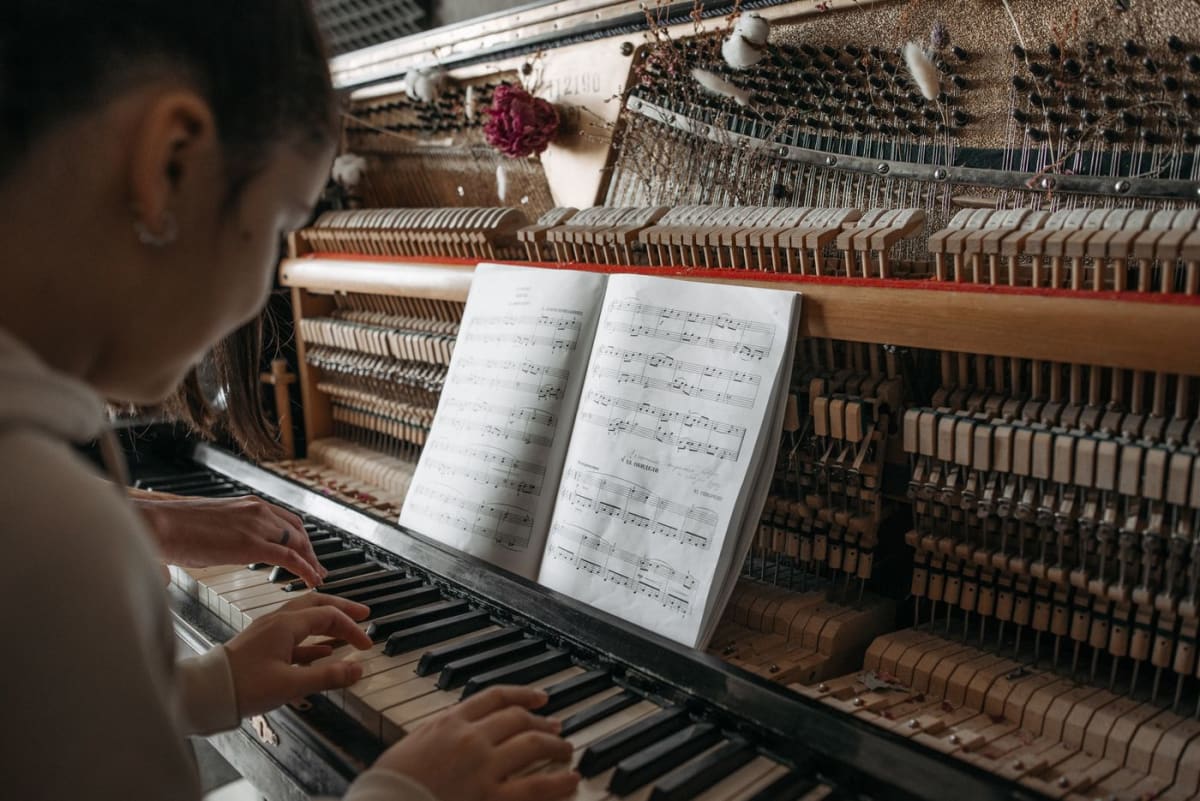
For an uncertain choice, spend a week exploring a small shortlist with your teacher. Listen to the whole piece, find a score you can legitimately use, and try more than the opening. Sample the section with the largest reaches or busiest accompaniment. A recording tells you whether you like the music; a few minutes at the keyboard can reveal whether its particular demands suit your present playing.
For example, imagine a student with two secure pieces and a third whose middle section still falls apart. Moving the exam a little later within the overlap may be more useful than starting a completely new programme. If that student is instead juggling a school transition and has no predictable practice time, a later target with the new syllabus may relieve the deadline pressure.
What changes in the 2027–28 syllabus?
The main changes are the repertoire and its supporting learning resources. Practical Grade scales and arpeggios, sight-reading and aural tests are unchanged. Existing books that match those current requirements do not need replacing just because the repertoire cover has new dates. Performance Grades continue to centre on a four-piece performance, without those separate supporting tests.
The new music offers some interesting combinations. At Grade 3, Mozart’s Minuet in F, K. 5 appears as A1, Nahre Sol’s Optimistic Waltz as B1, and Gillock’s Flamenco as C1. ABRSM’s Grade 3 learning page includes performances and activities. For Sol’s waltz, its questions draw attention to left-hand reading in the treble clef and later hand crossings. Those are helpful things to investigate before committing to it.
The wider free Piano Learning resources include demonstrations, practice activities and listening suggestions, reached through QR codes in the new books. There is also a recent digital development: on 14 September 2026, ABRSM announced that syllabus pieces were coming into flowkey. Check for your particular piece before subscribing to a learning tool.
One-hand repertoire now extends to Performance Grades 6–8, adding to the existing Grades 1–5 options. These new upper-grade lists become available for exams from January 2027. ABRSM says they are open to all candidates, who may combine one-hand and two-hand repertoire within the programme rules. Follow the hand specified for each selection: left, right, or either hand as listed. A designated one-hand piece must not be played with two hands. The one-hand announcement points to pages 25–29 of the new Performance syllabus.
If this affects your selection, begin with those dedicated lists and their publication details. The ordinary grade book should not be assumed to contain the one-hand programme you need. Establish the exact pieces first, then source the music.
Check the edition before buying a book
The syllabus document and the Piano Exam Pieces book do different jobs. The syllabus explains the requirements and available repertoire; a grade book supplies a selection of scores. The new books each contain nine pieces. Your intended choices, especially additional-list or one-hand repertoire, may require other publications.
Before you order · book-edition checklist
- Instrument and grade. Piano, with the exact grade you are entering. Initial Grade and Grade 1 are different books.
- Syllabus years. Match 2025–26 or 2027–28 to the programme you have agreed. A publication year of 2026 can still be correct for a 2027–28 book.
- Contents and arrangement. Check that the required piece is included, with the correct movement and any specified arranger or edition.
- Format and ISBN. Confirm printed book versus digital music, and what learning resources are included. Compare the ISBN with the publisher’s record.
- What you already own. Check the shelf before adding supporting-test books. A new repertoire cycle alone does not create a need for replacements.
For a concrete example, the printed Piano Exam Pieces 2027 & 2028, ABRSM Grade 3 has ISBN 9781786011046. A listing headed simply “ABRSM Grade 3 Piano” is not enough to establish that it is the same book. Retail search results can include older editions, teaching notes and different formats.
Affiliate notice: Some links are paid links. As an Amazon Associate, we earn from qualifying purchases.
Find the 2027–28 Piano Exam Pieces book for your grade
These buttons open Amazon US searches using the book title, grade and ISBN. Check the selected listing’s edition and format before ordering; results can include alternatives.
A student staying with the earlier syllabus may already have all the scores needed. If you are buying new music, agree the actual programme before ordering a bundle. For Performance Grades, also check whether the own-choice score is already in a collection you own. It need not be a separate purchase just because it fills a separate exam slot.
Turn the syllabus choice into a workable practice plan
Once you have decided, put the exam route, grade, syllabus years and intended date in one place. Add the full titles and list references beside the pieces. This is particularly helpful when a parent books the exam while a teacher chooses the music: everyone needs to be working from the same version of the programme.
Give each piece a next task you can actually hear improving. That might be joining two sections without a pause, keeping the accompaniment quieter through a whole phrase, or starting accurately from the middle. Include a regular complete run-through so that isolated improvements have a chance to become a continuous performance. For a Practical Grade, keep supporting-test work in the week as well. Our post on making a weekly piano practice plan shows how to distribute that work around the time you have.
In Practis, Programs & Performances lets you arrange pieces in performance order, add a date and notes, then record a reflection after playing. You could title a programme “Grade 3 · 2025–26 syllabus” and keep your list references in its notes. The Planner can give pieces or practice categories recurring places in your week. Check eligibility against ABRSM’s documents yourself; these tools organise your preparation.
Set a review date with your teacher before the booking decision becomes urgent. Bring a recent run-through and the notes about what is still unreliable. You may confirm the original target, change a piece or allow more time. The overlap gives you room to make that judgment without treating the arrival of a new book as an instruction to start again.
More on practice.

Music Practice Buddies: Make the Check-In Work
A music practice buddy can make solitary work feel shared. Set up check-ins, exchange recordings comfortably, and agree what happens on a missed week.
Pract.is Editorial

What to Use After Piano Learning Apps Stop Working
The app didn't fail - it finished. What replaces each of the five jobs it was doing for you, and a 30-day plan for making the handoff without losing momentum.
Pract.is Editorial

Android Tablets for Sheet Music: Size, Pen and Stand Fit
Compare Android tablets for sheet music by actual page size, pen support and stand fit, with a to-scale visual and full setup budgets for three models.
Pract.is Editorial